For optimal viewing, please use a desktop or laptop computer. Prescribing information links can be found at the top of the page. Adverse event reporting can be found at the bottom of the page.

Two Phase 3 clinical trials. Two different chemotherapy regimens.
One focus: VYLOY + platinum and fluoropyrimidine chemotherapy to help improve survival.1

efficacy banner desktop
efficacy banner mobile

Study Design

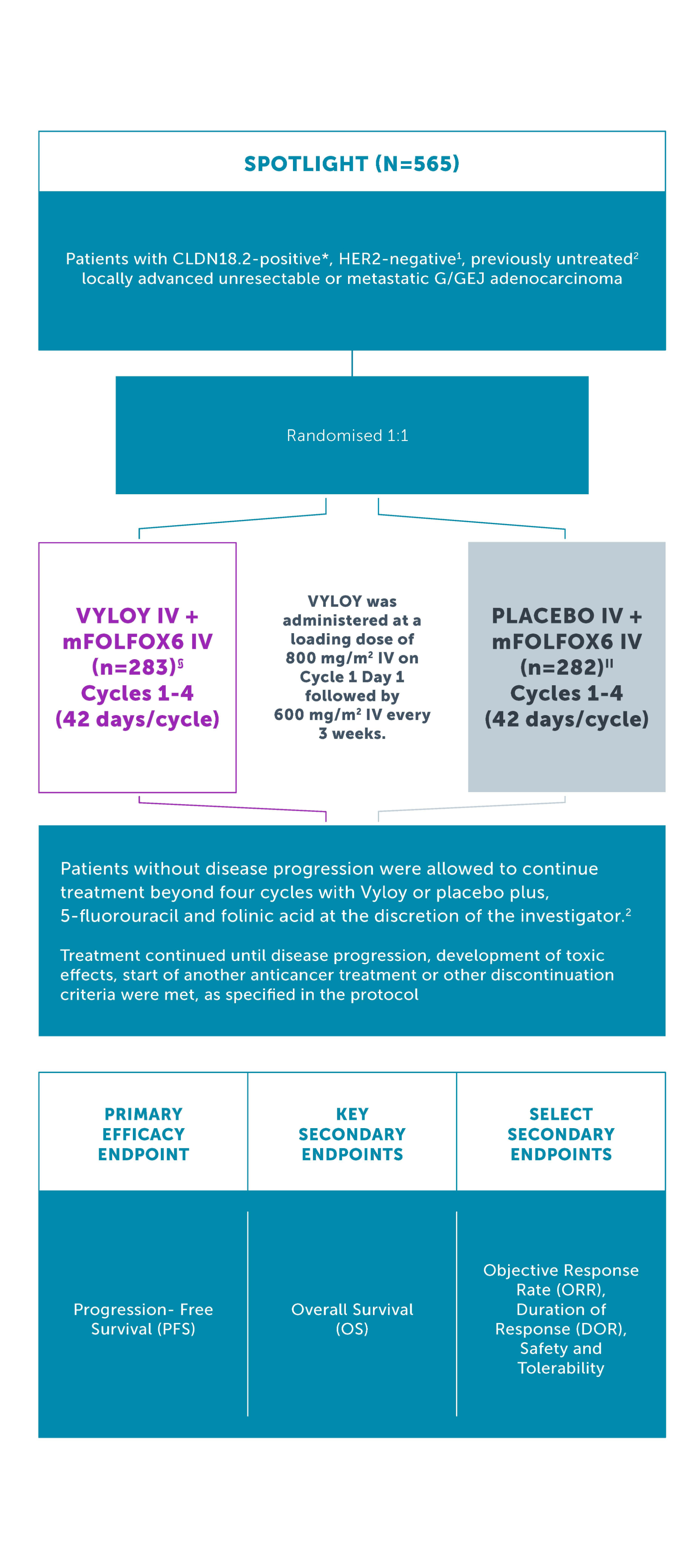
In the SPOTLIGHT Phase 3 trial, VYLOY + mFOLFOX6 was evaluated against placebo + mFOLFOX61,2

spotlight graph 1 desktop
spotlight graph 1 mobile

Key Eligibility Criteria

  • Aged 18 years or older, with CLDN18.2-positive,* HER2-negative, previously untreated, locally advanced unresectable 
or metastatic G/GEJ adenocarcinoma
  • ECOG performance status 0 or 1
  • Radiological evaluable disease per RECIST 1.1
  • Adequate organ function

Key Exclusion Criteria

  • Received prior treatment for locally advanced unresectable or metastatic G/GEJ adenocarcinoma
  • Complete or partial gastric outlet syndrome
  • Significant cardiovascular disease**
  • Positive test for HIV, or known hepatitis B or C infection
  • History of CNS metastases

*Tumour expresses CLDN18.2 in ≥75% of tumour cells demonstrating moderate to strong membranous staining as determined by central IHC testing.2

HER2-negative tumour as determined by local or central testing on a gastric or GEJ tumour specimen.2

No prior systemic chemotherapy. Subjects may have received other systemic anti-cancer treatments as long as they were completed 6 months prior 
to randomisation.2,3

§VYLOY was administered at a loading dose of 800 mg/m2 IV on Cycle 1 Day 1 followed by 600 mg/m2 IV every 3 weeks. Patients received 12 treatments of mFOLFOX6 (modified folinic acid, fluorouracil, and oxaliplatin regimen) over 4 cycles (42 days per cycle) on Days 1, 15 and 29. After 4 cycles of treatment, patients continued to receive either VYLOY or placebo and fluorouracil (5-FU) and folinic acid at the investigator’s discretion until the patient met study treatment discontinuation criteria: disease progression, development of toxic effects, start of another anti-cancer treatment or other discontinuation criteria, as specified in the protocol.1,2

||Placebo was administered on Cycle 1 Day 1 and every 3 weeks thereafter.1,2

For the full eligibility and exclusion criteria, please refer to the Shitara K et al, 2023 appendix.1,2

**Congestive heart failure (defined as New York Heart Association Class III or IV), history of significant ventricular arrhythmias, QTc interval >450 msec for males >470 msec for females.3

CLDN18.2=Claudin 18.2; CNS=central nervous system; G/GEJ=gastric/gastro-oesophageal junction; HER2=human epidermal growth factor receptor 2; HIV=human immunodeficiency virus; IHC=immunohistochemistry; mFOLFOX6=modified folinic acid, fluorouracil, and oxaliplatin regimen.


In CLDN18.2+, HER2-negative, locally advanced unresectable or metastatic Gastric/GEJ adenocarcinoma (vs placebo + mFOLFOX6)

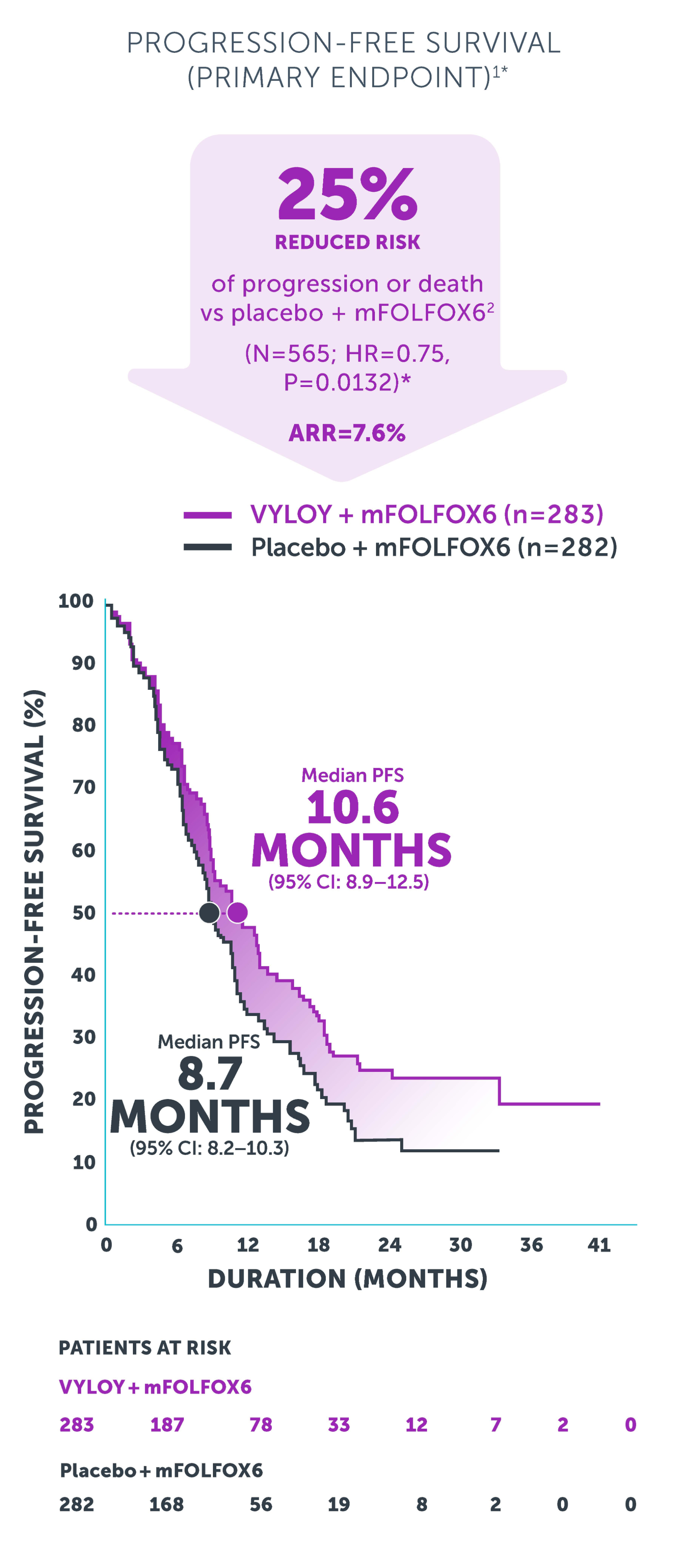
In the SPOTLIGHT Phase 3 trial, VYLOY (zolbetuximab) + mFOLFOX6 significantly improved PFS vs placebo + mFOLFOX61,2

Median PFS was 10.6 months with VYLOY + mFOLFOX6 vs 8.7 months with placebo + mFOLFOX6 (HR=0.75 [95% CI: 0.60–0.94]; P=0.0132).1*

spotlight graph 2 desktop
spotlight graph 2 mobile
Sustained benefits in PFS were also seen at 12, 18 and 24 months for VYLOY + mFOLFOX6 vs placebo + mFOLFOX61,2
Duration VYLOY + mFOLFOX6 Placebo + mFOLFOX6
12-month PFS (%) (95% CI) 48.9 (41.9–55.4) 35.0 (28.5–41.7)
18-month PFS (%) (95% CI) 30.9 (23.8–38.3) 20.8 (14.5–28.0)
24-month PFS (%) (95% CI) 24.4 (17.4–32.1) 14.9 (8.8–22.5)

*2-sided p-value based on 2-sided log-rank test.1,2

Per RECIST version 1.1 as determined by independent review committee.1,2

ARR=absolute risk reduction; CI=confidence interval; HR=hazard ratio; mFOLFOX6=modified folinic acid, fluorouracil, and oxaliplatin regimen;  RECIST=Response Evaluation Criteria in Solid Tumours.

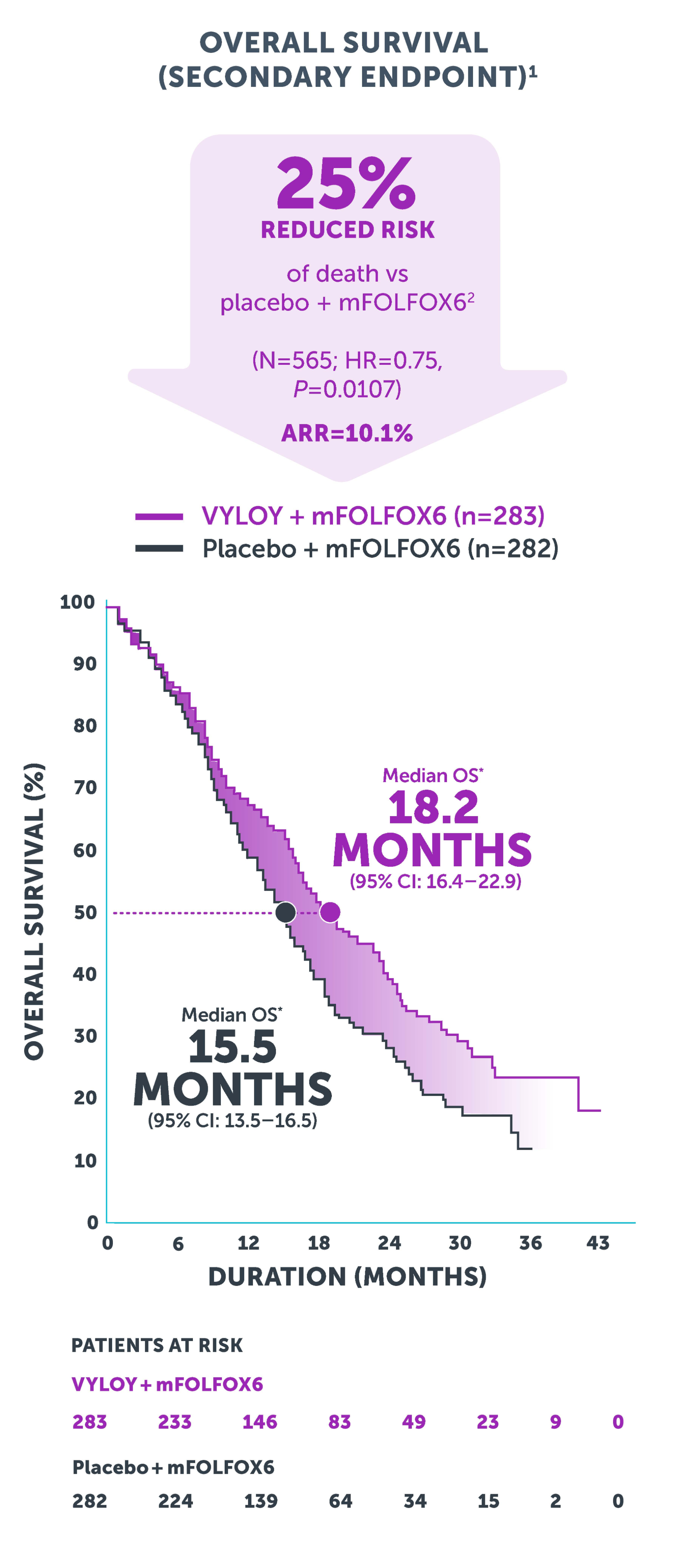
In the SPOTLIGHT Phase 3 trial, OS significantly improved with first-line VYLOY + mFOLFOX6 vs placebo + mFOLFOX61

Median OS was 18.2 months with VYLOY + mFOLFOX6 vs 15.5 months with placebo + mFOLFOX6 (HR=0.75 [95% CI: 0.60–0.94]; P=0.0107).1

spotlight graph 5 desktop
spotlight graph 5 mobile
Sustained benefits in OS were also seen at 12, 18 and 24 months for VYLOY + mFOLFOX6 vs placebo + mFOLFOX61
Duration VYLOY + mFOLFOX6 Placebo + mFOLFOX6
12-month OS (%) (95% CI) 67.7 (61.5–73.1) 60.0 (53.6–65.7)
18-month OS (%) (95% CI) 50.5 (43.5–57.0) 38.1 (31.5–44.5)
24-month OS (%) (95% CI) 38.8 (31.6–45.9) 28.4 (22.1–35.0)

ARR=absolute risk reduction; CI=confidence interval; HR=hazard ratio; mFOLFOX6=modified folinic acid, fluorouracil, and oxaliplatin regimen.

In the SPOTLIGHT Phase 3 trial, response rates were similar between VYLOY + mFOLFOX6 and placebo + mFOLFOX62*

Complete response rate was 7% with VYLOY + mFOLFOX6 (n=19) vs 4% with placebo + mFOLFOX6 (n=10).4

spotlight graph 3 desktop
spotlight graph 3 mobile

Median duration of response was 9 months with VYLOY + mFOLFOX6 vs 8 months with placebo + mFOLFOX6.2

spotlight graph 4 desktop
spotlight graph 4 mobile

*Per RECIST version 1.1 as determined by independent review committee in full analysis set.2

CI=confidence interval; CR=complete response; mFOLFOX6=modified folinic acid, fluorouracil, and oxaliplatin regimen; 

ORR=objective response rate; PR=partial response; RECIST=Response Evaluation Criteria in Solid Tumours.


SPOTLIGHT patient population1,2

Demographic and baseline characteristics were generally similar between the two study groups, except for disease histology.2


BASELINE CHARACTERISTICS VYLOY + mFOLFOX6
(n=283) PLACEBO + mFOLFOX6
(n=282)
Age, years Median (range) 62 (27 to 83) 60 (20 to 86)
≥18 to ≤64 (%) 60 62
≥65 (%) 40 38
Race (%) White 54 53
Asian 37 38
American Indian or Alaskan 3 3
Black or African American 2 1
Other 4 5
Gender (%) Male 62 62
Female 38 38
ECOG
performance status
0 (%) 45 41
1 (%) 55 59
Missing data (n) 4 4
Body surface area (m2) Mean (range) 1.7 (1.2 to 2.4) 1.7 (1.1 to 2.5)
Time from diagnosis (days) Median (range) 56 (2 to 3,010) 56 (7 to 5,366)
Tumour location Distal (%) 39 42
Proximal (%) 37 30
Unknown (%) 24 28
Missing (n) 3 1
Tumour type Diffuse (%) 29 42
Intestinal (%) 25 24
Other (%) 18 15
Mixed (%) 11 5
Unknown (%) 17 14
Missing (n) 1 4
Organs with metastases (%)2 0–2 77 78
≥3 23 22
Location of 
metastases (%)2 Lymph node 36 39
Peritoneum 33 27
Liver 22 27
Lung 13 12
Bone 10 8
Abdominal cavity 7 6
Ovary 6 7
Primary site (%)2 Stomach 77 74
Gastro-oesophageal junction 23 26
Region Asia 31 32
Non-Asia 69 68
Ethnicity Hispanic or Latino 13 13
Not Hispanic or Latino 80 76
Missing 8 11
Previous gastrectomy Yes 30 29
No 70 71
Measurable disease Yes 75 75
No 25 25

Adapted from VYLOY Summary of Product Characteristics and Shitara et al, 2023.

SPOTLIGHT: safety data

Adverse reactions reported in ≥10% of patients (any grade)2*

TREATMENT-EMERGENT ADVERSE EVENTS2 VYLOY + mFOLFOX6 (n=279) PLACEBO + mFOLFOX6 (n=278)
ANY GRADE, n (%) GRADE ≥3, n (%) ANY GRADE, n (%) GRADE ≥3, n (%)
Any adverse event 278 (>99) 242 (87) 277 (>99) 216 (78)
Nausea 230 (82) 45 (16) 169 (61) 18 (6)
Vomiting 188 (67) 45 (16) 99 (36) 16 (6)
Decreased appetite 131 (47) 16 (6) 93 (33) 9 (3)
Diarrhoea 110 (39) 12 (4) 122 (44) 9 (3)
Peripheral sensory neuropathy 106 (38) 11 (4) 118 (42) 15 (5)
Neutropenia 102 (37) 79 (28) 94 (34) 65 (23)
Anaemia 100 (36) 24 (9) 104 (37) 26 (9)
Constipation 99 (35) 3 (1) 112 (40) 2 (1)
Neutrophil count decreased 95 (34) 69 (25) 91 (33) 69 (25)
Fatigue 78 (28) 17 (6) 91 (33) 14 (5)
Asthenia 74 (27) 20 (7) 64 (23) 7 (3)
Abdominal pain 67 (24) 12 (4) 82 (29) 6 (2)
Stomatitis 58 (21) 7 (3) 57 (21) 3 (1)
Weight decreased 55 (20) 5 (2) 54 (19) 2 (1)
Pyrexia 54 (19) 1 (<1) 48 (17) 1 (<1)
White blood cell count decreased 50 (18) 8 (3) 46 (17) 16 (6)
Hypokalaemia 50 (18) 16 (6) 41 (15) 10 (4)
Oedema peripheral 49 (18) 2 (1) 26 (9) 0
Aspartate aminotransferase increased 49 (18) 4 (1) 44 (16) 7 (3)
Abdominal pain upper 47 (17) 4 (1) 32 (12) 0
Paraesthesia 44 (16) 6 (2) 46 (17) 4 (1)
Hypoalbuminaemia 43 (15) 11 (4) 17 (6) 2 (1)
Dysgeusia 41 (15) 1 (<1) 40 (14) 0
Platelet count decreased 40 (14) 3 (1) 49 (18) 6 (2)
Dizziness 36 (13) 0 27 (10) 1 (<1)
Alanine aminotransferase increased 34 (12) 2 (1) 47 (17) 7 (3)
Thrombocytopenia 28 (10) 4 (1) 45 (16) 4 (1)
Back pain 34 (12) 0 30 (11) 0
Headache 31 (11) 2 (1) 35 (13) 1 (<1)
Hypertension 31 (11) 15 (5) 22 (8) 10 (4)
Hypocalcaemia 30 (11) 6 (2) 9 (3) 0
Insomnia 29 (10) 1 (<1) 25 (9) 0
Cough 28 (10) 0 28 (10) 0
  • Serious TEAEs: 45% (n=125) with VYLOY + mFOLFOX6 vs 44% (n=121) with placebo + mFOLFOX62
  • TEAEs leading to discontinuation of VYLOY or placebo: 20% (n=55) with VYLOY + mFOLFOX6 vs 11% (n=30) with placebo + mFOLFOX62
  • TEAEs leading to death were reported in 8% (n=22) of patients with VYLOY + mFOLFOX6 (vs 9% (n=24) in patients with placebo + mFOLFOX6)2

Nausea and vomiting occurred more often in the first cycle of treatment and decreased in incidence in the cycles that followed in VYLOY + mFOLFOX6 and placebo + mFOLFOX6.1,4

Refer to the Summary of Product Characteristics for the full safety profile of VYLOY.

*Grades 3 to 5 include serious, life-threatening and fatal adverse events.2

mFOLFOX6=modified folinic acid, fluorouracil, and oxaliplatin regimen; TEAE=treatment-emergent adverse event.

Find out how IHC testing for CLDN18.2 helps identify patients who may be candidates for VYLOY + fluoropyrimidine- and platinum-containing chemotherapy.

CLDN18.2=Claudin 18.2; IHC=immunohistochemistry.

Adverse events should be reported. Reporting forms and information can be found at www.mhra.gov.uk/yellowcard or search for MHRA Yellow Card in the Google Play or Apple App Store. Adverse events should also be reported to Astellas Pharma Ltd. on 0800 783 5018.

The above link will take you to a non-Astellas website. Astellas does not endorse or accept liability for sites controlled by third-parties.

References:

  1. VYLOY Summary of Product Characteristics.
  2. Shitara K, Lordick F, Bang YJ, et al. Zolbetuximab plus mFOLFOX6 in patients with CLDN18.2-positive, HER2-negative, untreated, locally advanced unresectable or metastatic gastric or gastro-oesophageal junction adenocarcinoma (SPOTLIGHT): a multicentre, randomised, double-blind, 
phase 3 trial. Lancet 2023;401(10389):1655–68.
  3. Shitara K, Shah MA, Lordick F, et al. Zolbetuximab in gastric or gastroesophageal junction adenocarcinoma. N Engl J Med. Protocol. DOI: 10.1056/NEJMc2409512.
  4. Shitara K, Lordick F, Bang YJ, et al. Zolbetuximab plus mFOLFOX6 in patients with CLDN18.2-positive, HER2-negative, untreated, locally advanced unresectable or metastatic gastric or gastro-oesophageal junction adenocarcinoma (SPOTLIGHT): a multicentre, randomised, double-blind, phase 3 trial. Supplement in Lancet 2023;401(10389):1655–68.

MAT-GB-ZOL-2024-00086 | Date of preparation: January 2026

Indication


VYLOY, in combination with fluoropyrimidine- and platinum-containing chemotherapy, is indicated for the first-line treatment of adult patients with locally advanced unresectable or metastatic human epidermal growth factor receptor 2 (HER2)-negative gastric or gastro-oesophageal junction (GEJ) adenocarcinoma whose tumours are Claudin (CLDN) 18.2 positive.

SAFETY PROFILE

The safety of VYLOY was evaluated in two Phase 2 studies (FAST, ILUSTRO) and two Phase 3 studies (SPOTLIGHT, GLOW) in 631 patients who received at least one dose of VYLOY 800 mg/m2 as a loading dose followed by 600 mg/m2 subsequent doses every 3 weeks in combination with fluoropyrimidine- and platinum-containing chemotherapy. The median duration of exposure to zolbetuximab was 174 days (range: 1 to 1,791 days).

Serious adverse events occurred in 45% of patients treated with VYLOY and/or fluoropyrimidine- and platinum‑containing chemotherapy. The most common serious adverse reactions (≥2%) were vomiting (6.8%) and nausea (4.9%).

Adverse reactions observed during clinical studies

isi

Frequency categories are defined as follows: Very common (≥1/10); common (≥1/100 to <1/10); uncommon (≥1/1,000 to <1/100); rare (≥1/10,000 to <1/1,000); very rare (<1/10,000).

  • Thirty-seven percent of patients permanently discontinued VYLOY for adverse events; the most common adverse reactions (≥2%) leading to dose discontinuation were vomiting (5.4%) and nausea (4.3%).
  • Adverse events leading to dose interruption of VYLOY and/or fluoropyrimidine- and platinum‑containing chemotherapy occurred in 73% of patients; the most common adverse reactions (≥2%) leading to dose interruption were vomiting (29.3%), nausea (28.4%) and decreased appetite (3.6%).
  • The most common adverse reactions (≥2%) leading to dose rate reduction of the VYLOY and/or fluoropyrimidine- and platinum-containing chemotherapy infusion were nausea (9.7%) and vomiting (7.8%).

Contraindications

  • Hypersensitivity to the active substance or to any of the following excipients: Arginine, Phosphoric acid, Sucrose, Polysorbate 80

Interaction with other medicinal products and other forms of interaction

  • Zolbetuximab is not a cytokine modulator and there are no known effects of its mechanism of action on cytochrome P450 or drug transporters; therefore, no in vitro or in vivo drug-drug interaction or transporter studies have been conducted
  • Based on a Phase 2 study, co-administration of zolbetuximab with mFOLFOX6 did not show a clinically meaningful change in drug exposure of zolbetuximab, oxaliplatin or 5-fluorouracil (5-FU). Therefore, no dose adjustment is required for zolbetuximab and mFOLFOX6 when used in combination. This finding is also expected to be applicable to CAPOX, which contains oxaliplatin and capecitabine (a prodrug of 5-FU), therefore no dose adjustment is required for zolbetuximab and CAPOX when used in combination

Fertility, pregnancy and lactation

  • There are no data on the use of zolbetuximab in pregnant women. VYLOY should only be given to a pregnant woman if the benefit outweighs the potential risk

    - No adverse effects were observed in an animal reproductive and developmental study with intravenous administration of zolbetuximab to pregnant mice during organogenesis. Based on AUC, the doses administered in this study were up to approximately 1.8 times higher than human exposure at the recommended therapeutic dose of 600 mg/m2
  • There are no data on the presence of zolbetuximab in human milk, the effects on the breastfed child or the effects on milk production. Breastfeeding is not recommended during treatment with VYLOY

    - Because many drugs, including antibodies are excreted in human milk and because of the potential for serious adverse reactions in a breastfed child, breastfeeding is not recommended during treatment with VYLOY
  • The effect of VYLOY on male and female fertility is unknown

    - Studies to evaluate the effect of zolbetuximab on fertility have not been performed

Traceability

  • In order to improve the traceability of biological medicinal products, the name and the batch number of the administered product should be clearly recorded

WARNINGS AND PRECAUTIONS


HYPERSENSITIVITY REACTIONS

  • In the integrated safety analysis, all grade hypersensitivity reactions such as anaphylactic reaction and drug hypersensitivity occurred in the VYLOY + fluoropyrimidine- and platinum-containing chemotherapy arm [0.5% (3/631), 1.6% (10/631)] compared with the fluoropyrimidine- and platinum-containing chemotherapy + placebo arm [0.8% (5/611), 1.6% (10/611)]
  • The median time to first onset of anaphylactic reaction or drug hypersensitivity with VYLOY + fluoropyrimidine- and platinum-containing chemotherapy was 22 days or 113 days, respectively
  • Three patients (0.5%) permanently discontinued VYLOY due to anaphylactic reaction
  • Severe (Grade 3) anaphylactic reaction and drug hypersensitivity occurred at a similar frequency in the VYLOY + fluoropyrimidine- and platinum-containing chemotherapy arm [0.5% (3/631), 0.2% (1/631)] compared with the fluoropyrimidine- and platinum-containing chemotherapy + placebo arm [0.3% (2/611), 0.2% (1/611)]
  • Dose interruption of VYLOY was experienced due to drug hypersensitivity in six patients (1%). The infusion rate was reduced for VYLOY or fluoropyrimidine- and platinum-containing chemotherapy in one patient (0.2%) due to drug hypersensitivity

Special warnings and precautions for use

  • Monitor patients during and after infusion with VYLOY (at least 2 hours, or longer if clinically indicated) for hypersensitivity reactions with symptoms and signs that are highly suggestive of anaphylaxis (urticaria, repetitive cough, wheeze and throat tightness/change in voice)
  • If an anaphylactic reaction occurs, administration of VYLOY should be immediately and permanently discontinued and appropriate medical therapy administered
  • For any Grade 3 or 4 hypersensitivity reaction or hypersensitivity reaction with features of anaphylaxis, administration of VYLOY should be immediately and permanently discontinued and appropriate medical therapy instituted based on the type of reaction
  • For any Grade 2 hypersensitivity reaction, interrupt the VYLOY infusion until Grade ≤1, then resume the infusion at a reduced infusion rate for the remaining infusion. Pre-medicate the patient with antihistamines for the next infusion, and closely monitor the patient for symptoms and signs of a hypersensitivity reaction. The infusion rate may be gradually increased as tolerated

INFUSION-RELATED REACTION (IRR)

  • In the integrated safety analysis, all grade IRR occurred in the VYLOY + fluoropyrimidine- and platinum-containing chemotherapy arm at 3.2% (20/631) compared with fluoropyrimidine- and platinum-containing chemotherapy + placebo at 1.1% (7/611)
  • The median time to first onset of infusion-related reaction with VYLOY + fluoropyrimidine- and platinum-containing chemotherapy was 22 days
  • An IRR led to permanent discontinuation of VYLOY in 4 (0.6%) patients and dose interruption in 10 (1.6%) patients. The infusion rate was reduced for VYLOY or fluoropyrimidine- and platinum-containing chemotherapy in 2 patients (0.3%) due to an IRR
  • Severe (Grade 3) IRRs occurred more frequently in the VYLOY + fluoropyrimidine- and platinum-containing chemotherapy arm [0.5% (3/631)] compared with fluoropyrimidine- and platinum-containing chemotherapy + placebo [0% (0/611)]

Special warnings and precautions for use

  • Monitor patients for signs and symptoms of infusion-related reaction including nausea, vomiting, abdominal pain, salivary hypersecretion, pyrexia, chest discomfort, chills, back pain, cough and hypertension. These signs and symptoms are usually reversible with the interruption of the infusion
  • For Grade 3 or 4 IRRs, administration of VYLOY should be immediately and permanently discontinued and appropriate medical therapy instituted
  • For Grade 2 IRRs, interrupt the VYLOY infusion until Grade ≤1, then resume the infusion at a reduced infusion rate for the remaining infusion. Pre-medicate the patient with antihistamines for the next infusion, and closely monitor the patient for symptoms and signs of an IRR. The infusion rate may be gradually increased as tolerated

NAUSEA AND VOMITING

  • In the integrated safety analysis, all grade nausea and vomiting occurred more frequently in the VYLOY in combination with fluoropyrimidine- and platinum-containing chemotherapy arm [77.2% (487/631), 66.9% (422/631)] compared with the placebo in combination with fluoropyrimidine- and platinum-containing chemotherapy arm [58.9% (360/611), 36.8% (225/611)]
  • Severe (Grade 3) nausea and vomiting in the VYLOY in combination with fluoropyrimidine- and platinum-containing chemotherapy and placebo in combination with fluoropyrimidine- and platinum-containing chemotherapy arms occurred at the following freHYPERSENSITIVITY REACTIONSquencies: nausea [11.6% (73/631) and 4.7% (29/611)] and vomiting [13.6% (86/631) and 4.7% (29/611)]
  • The median time to first onset of nausea or vomiting with VYLOY in combination with fluoropyrimidine- and platinum-containing chemotherapy was 1 day or 1 day, respectively
  • Nausea led to permanent discontinuation of VYLOY in 27 (4.3%) patients and dose interruption in 179 (28.4%) patients. Vomiting led to permanent discontinuation of VYLOY in 34 (5.4%) patients and dose interruption in 185 (29.3%) patients. The infusion rate was reduced for VYLOY or fluoropyrimidine- and platinum-containing chemotherapy in 61 patients (9.7%) due to nausea and in 49 patients (7.8%) due to vomiting

Special warnings and precautions for use

  • Nausea and vomiting occurred more often during the first cycle of treatment but decreased in incidence with subsequent cycles of treatment
  • To prevent nausea and vomiting, pre-treatment with antiemetics is recommended prior to each infusion of VYLOY
  • During and after infusion, patients should be monitored and managed using standard of care, including antiemetics or fluid replacement, as clinically indicated
  • For Grade 4 vomiting, permanently discontinue treatment with VYLOY
  • For Grade 2 or 3 nausea or vomiting, interrupt the VYLOY infusion until Grade ≤1, then resume at a reduced infusion rate for the remaining infusion. For the next infusion, administer per the recommended infusion rates, and closely monitor the patient for symptoms and signs of nausea or vomiting. The infusion rate may be gradually increased as tolerated


Refer to the Summary of Product Characteristics for the full safety profile of VYLOY.